University of Karachi Chemical Reaction Engineering (CRE) Lab Reduced Experiment Cycle Time By 23% With GLSS
Home » Case Study » University of Karachi Chemical Reaction Engineering (CRE) Lab Reduced Experiment Cycle Time By 23% With GLSS
LOCATION
Pakistan
INDUSTRY
Education
FUNCTION
Laboratory
IMPROVEMENT
23%
PROJECT SUMMARY
The problem: Students in the Chemical Reaction Engineering lab were unable to complete experiments within scheduled hours due to long setup times, equipment bottlenecks, and delays, resulting in reduced hands-on learning, rushed sessions, and lower student satisfaction.
With GLSS, the average experiment cycle time dropped from 130 minutes to approximately 100 minutes—a 23% reduction in cycle time.
THE PROBLEM
Universities today are under growing pressure to deliver high-quality learning experiences while working within tight limits on time, space, and resources. This challenge is especially clear in hands-on learning environments like laboratories, where even small delays can quickly reduce learning opportunities. Recognizing this reality, Zaiam Zafar, a student at the University of Karachi, saw process improvement as a critical capability for academic success—not just an operational nice-to-have.
To meet this challenge, Zaiam selected GLSS’s Lean Six Sigma Green Belt Training & Certification. The program’s practical, easy-to-apply approach allowed students and staff to work on real academic processes while learning proven improvement methods. Just as important, the project embraced Ethical Efficiency™, ensuring that improvements enhanced learning quality and fairness without sacrificing people, safety, or educational purpose.
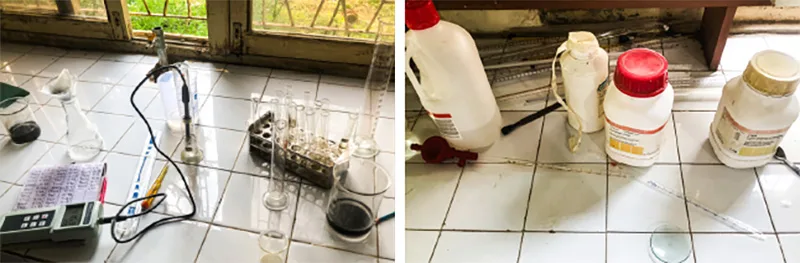
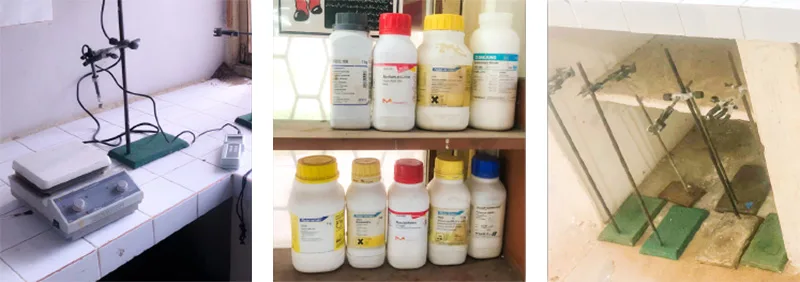
Before: No proper storage, no proper handling of apparatus, no time management, and insufficient student knowledge, which made every experiment in the Chemical Reaction Engineering Lab difficult.
In the Chemical Reaction Engineering (CRE) laboratory, students regularly struggled to complete experiments within scheduled lab hours. Long setup times, shared equipment constraints, and waiting for resources slowed progress during every session.
On average, a single experiment took about 130 minutes to complete. This limited how much hands-on work students could finish, created frustration, and reduced the overall value of lab time. For instructors, it meant rushed sessions and unfinished experiments. For students, it meant less confidence and fewer opportunities to fully engage with the material.
Without improvement, these delays would continue to affect learning outcomes, lab utilization, and student satisfaction—making process improvement essential to the university’s success. Zaiam states:
“Before this project, the Chemical Reaction Engineering (CRE) lab experiments were taking longer than scheduled due to inefficiencies in preparation, execution, and coordination. This led to extended experiment cycle times, limited student throughput, delayed handoffs and reduced effective learning time during lab sessions.”
THE ROOT CAUSES
Using the structured improvement methods learned through GLSS Training, the team, led by Zaiam, took a closer look at how lab work actually flowed. Several key issues became clear:
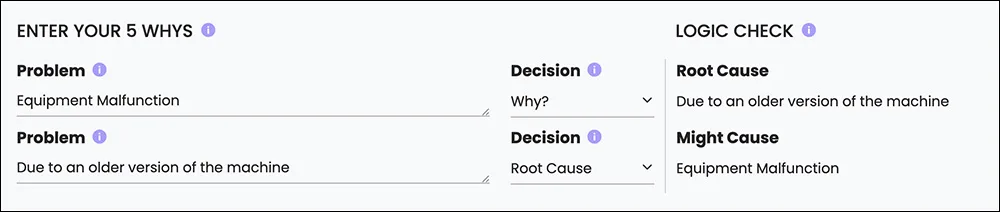
Some lab equipment was outdated and operated more slowly than newer alternatives.
Equipment placement made access inefficient, creating unnecessary movement and waiting.
Students entered the lab with different levels of preparation, leading to hesitation, mistakes, and repeated checks.
Inconsistent calibration and occasional apparatus issues caused delays and rework.
Simple student errors added time and interrupted the experiment flow.
Together, these issues added up to long cycle times and uneven learning experiences.
“I chose the GLSS Training because I wanted a structured, data-driven approach to problem solving & I already read articles about Ethical Efficiency™ and its importance. GLSS stood out for its practical tools, clear methodology, and strong focus on real-world process improvement rather than just theoretical concepts.”
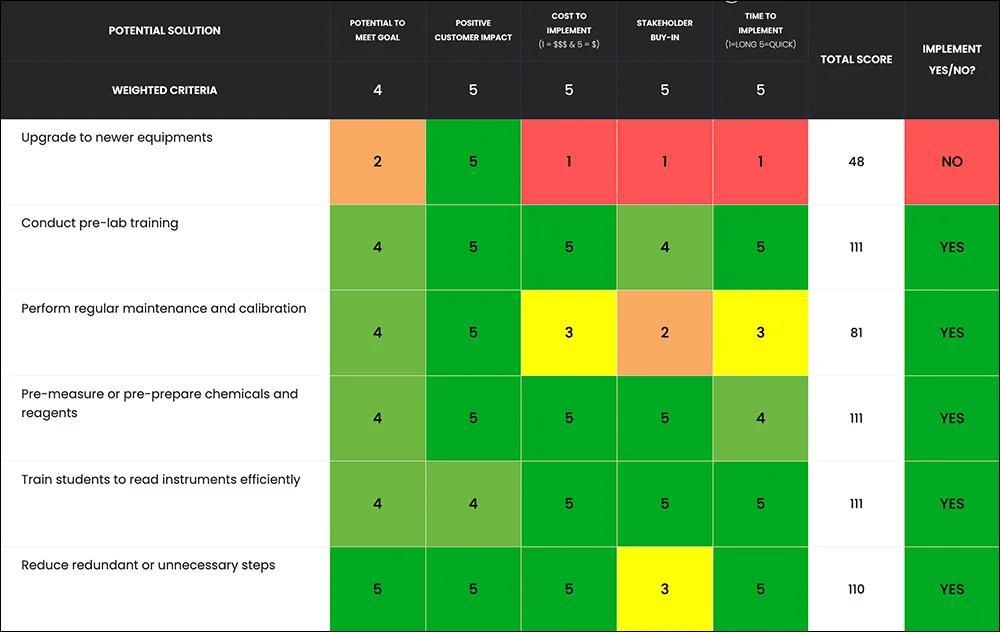
The team focused on solutions that were practical, affordable, and respectful of the learning environment. Changes included:
Pre-lab training sessions to ensure students arrived better prepared and more confident.
Routine maintenance and calibration schedules to reduce breakdowns and rework.
Pre-measured and pre-prepared chemicals to shorten setup time.
Clear guidance on instrument reading, helping students work more efficiently.
Removal of unnecessary steps that didn’t add learning value.
Each solution reflected Ethical Efficiency™—improving speed and flow while protecting learning quality and student confidence.
To automate the creation of the Solution Selection Matrix, try Kure.
THE RESULTS
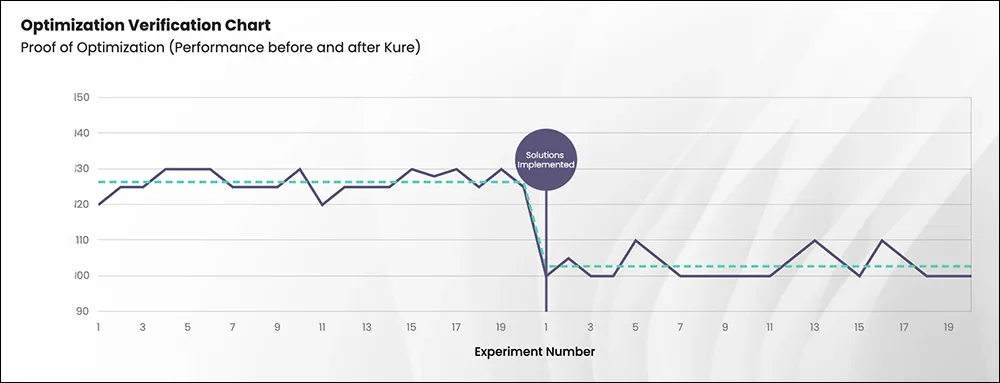
The improvements delivered clear, measurable results. The average experiment cycle time dropped from 130 minutes to approximately 100 minutes—a 23% reduction in cycle time.
With faster experiments, more students were able to complete their work within scheduled lab hours. Sessions became smoother, bottlenecks were reduced, and the lab environment shifted from rushed and stressful to focused and productive. Student satisfaction improved, and instructors gained more flexibility to support learning instead of managing delays.
To automate the creation of the Verification Chart, try Kure.
After: The lab is now organized with a designated place for every apparatus, saving time and improving student access.
Start improving with GLSS
“Applying the GLSS Green Belt tools, especially process mapping, root cause analysis, and data-based decision making, helped us to identify inefficiencies and redesign the lab workflow. As a result, we achieved a 23% reduction in experiment cycle time, improving efficiency and overall lab effectiveness.”
This project shows how effective improvement training can make a real difference in higher education. By choosing GLSS Training & Certification, Zaiam and the University of Karachi gained access to innovative instructional design and practical content that helped teams move from problem to results quickly.
The success of this project demonstrates how Ethical Efficiency™ and structured improvement methods can strengthen both performance and purpose. With improved lab efficiency and stronger improvement skills in place, the university is now better positioned to tackle future challenges and deliver better learning outcomes—faster and more sustainably.
*We value our clients’ confidentiality. While we’ve changed their names, the results are real.
Start a free trial and get access to all GLSS courses (Yellow Belt, Green Belt, Black Belt, and more!) for only $499/year with a GLSS Subscription!