


Healthcare System Increased First Case On-Time Starts By 54% With GLSS
Home » Case Study » Healthcare System Increased First Case On-Time Starts By 54% With GLSS
United States
Healthcare
Operations
54%
- The problem: First case procedures were starting on time only 39% of the time due to unclear patient instructions, limited pre-call coverage, and inconsistent staffing, causing delays, increased patient anxiety, and added stress for clinical staff.
- By redesigning pre-call workflows, improving communication, and streamlining staffing roles, the team increased first case on-time starts to 60%—a 54% improvement that enhanced patient satisfaction and reduced staff strain.
In healthcare, getting off to a good start matters—especially for patients scheduled for early procedures. Delays in the morning can ripple through the entire day, impacting patient satisfaction, clinical staff workload, and overall efficiency. One healthcare organization recognized the need to improve its first case on-time starts, and they knew it wouldn’t happen without a smart, structured approach.
To lead the charge, the team chose GLSS’s Lean Six Sigma Green Belt Training & Certification—a program designed to help healthcare professionals solve problems quickly and effectively. The training emphasized real-world application, not just theory, and aligned with the organization’s commitment to Ethical Efficiency™, a values-driven approach that ensures solutions benefit patients, staff, and operations alike. With support from GLSS, the organization launched a focused project to finally fix a long-standing operational challenge.
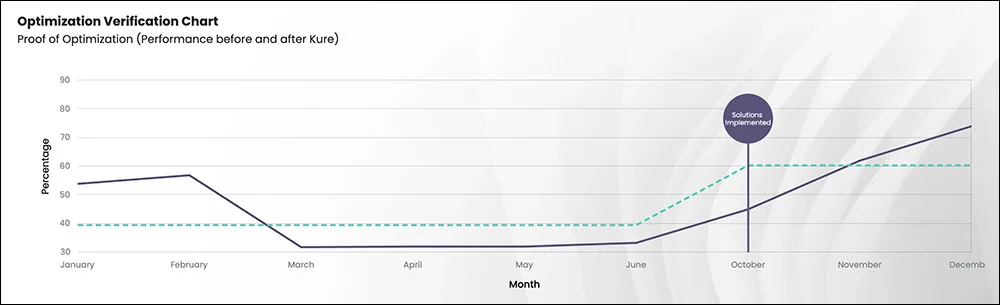
At the time, only 39% of first case procedures were starting on time. These delays weren’t just logistical—they increased anxiety for patients, lowered satisfaction scores, and added pressure and fatigue for clinical staff.
Morning delays often led to rushed preparations, stressed teams, and a domino effect on the day’s remaining cases. The leadership team saw the first case start time as a vital part of the patient experience and staff well-being. Improving it became a top priority—and they were ready to take action.
With guidance from their GLSS Training, the team uncovered three main problems that were causing the delays:
- Unclear patient instructions: Many patients didn’t understand the difference between arrival time and procedure time, leading to late arrivals and rushed preparations.
- Pre-call process limitations: Staffing shortages and call volume made it hard to reach all patients in advance to confirm procedures and clarify instructions.
- Staffing instability: After a key team member left, only one person was assigned to pre-calls. Two hybrid nurses offered some support, but competing demands in other areas made their availability unreliable.
Together, these challenges created a system that was difficult to manage—and tough on everyone involved.

Equipped with improvement tools and a clear roadmap, the team implemented several smart changes:
- Assigned hybrid nurses consistently to pre-calls based on patient volume, ensuring every patient received a call before their procedure.
- Enhanced SMS reminders to include not just the procedure time, but also the exact arrival time and bowel prep instructions—making communication clear and consistent.
- Increased pre-call attempts from one to two, dramatically improving contact rates with patients who didn’t answer the first call.
- Redesigned staffing roles in the pre-op area by assigning one nurse to IV placement and others to focus on patient histories, allowing staff to work more efficiently.
- Involved circulating and recovery nurses in prepping first case patients before their own arrived—creating a team-based approach that reduced morning bottlenecks.
Each of these solutions focused on improving communication, increasing preparation, and sharing the workload fairly—hallmarks of Ethical Efficiency™ in action.

The improvements paid off. The first case on-time start rate rose from 39% to 60%—a 54% improvement.
With clearer roles and better teamwork, staff were able to work more efficiently across multiple patients instead of managing all steps for just one. More patients arrived prepared and on time, reducing last-minute scrambles and delays.
Expanded pre-call coverage helped catch issues early, improving the patient experience and reducing unnecessary stress. Most importantly, the initiative brought the team together—strengthening morale and fostering a sense of shared success.
with GLSS
By partnering with GLSS Training & Certification, this healthcare organization turned a daily pain point into a powerful success story. The training gave staff a structured way to identify problems, test solutions, and apply improvements quickly—without overwhelming the team.
The project’s success showed how Ethical Efficiency™ can guide meaningful change that benefits everyone involved—from patients to providers. With stronger processes and greater confidence in their improvement skills, the team is now ready to take on the next challenge—and continue delivering better results, faster.
*We value our clients’ confidentiality. While we’ve changed their names, the results are real.