


Healthcare Regulatory Organization Reduced Project Initiation Review Time By 50% With GLSS
Home Âŧ Case Study Âŧ Healthcare Regulatory Organization Reduced Project Initiation Review Time By 50% With GLSS
Canada
Healthcare
Operations
50%
- The problem: A healthcare regulatory organization was facing a growing project initiation backlog that delayed project reviews, slowed implementation efforts, and reduced the organizationâs ability to respond quickly to customer and business needs.
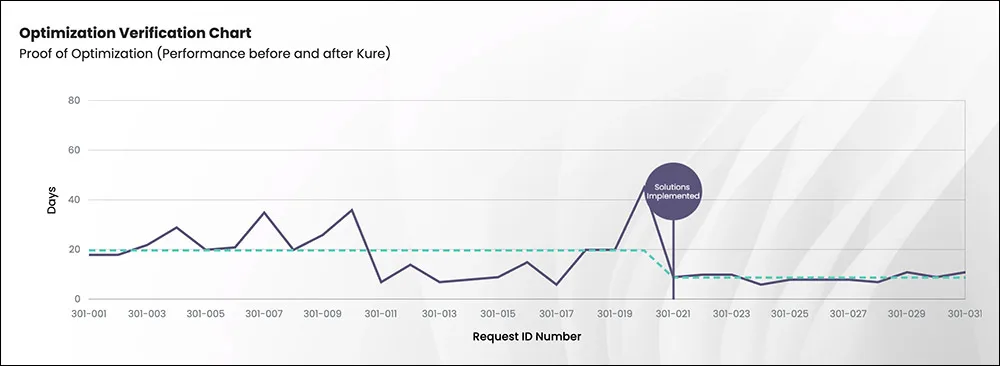
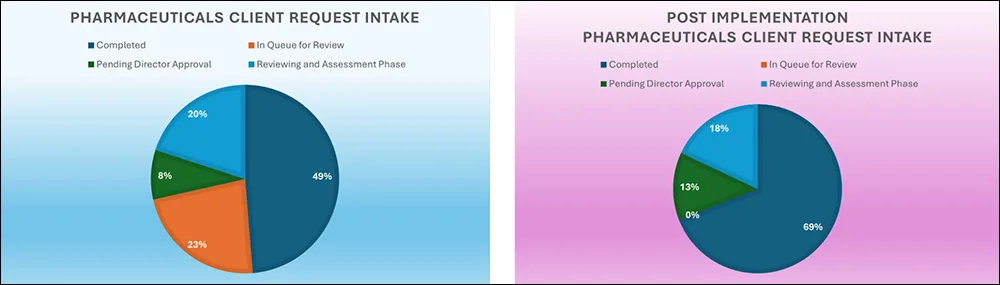
- With GLSS, the organization reduced request review time from 20 days to 10 days, a 50% improvement, while significantly reducing the backlog of requests waiting in the project initiation queue.
This leading healthcare regulatory organization understood that timely project execution is essential to supporting both operational excellence and patient-focused outcomes. When project requests begin accumulating faster than they can be reviewed and approved, delays can impact priorities across the organization and limit the ability to deliver improvements efficiently.
To address this challenge, the organization partnered with GLSS’s Lean Six Sigma Green Belt Training & Certification and selected Implementation Manager SaranegaJaana Ranchithan to lead the improvement effort. The organization chose GLSS because of its practical, project-based learning approach that enables teams to quickly apply proven improvement methods to real business challenges. Guided by the principles of Ethical EfficiencyâĒ, the team focused on creating a process that was not only faster, but also fair, transparent, and supportive of the employees responsible for managing project requests.
The organization was experiencing a growing backlog of project initiation requests. As the number of requests increased, projects often waited extended periods before receiving review and approval. This created frustration for stakeholders, delayed project start dates, and made it more difficult for teams to prioritize work effectively.
Long review cycles can create significant challenges in healthcare environments where operational improvements often support patient services, regulatory requirements, and organizational growth initiatives. Without a streamlined intake and review process, valuable projects may sit idle while teams spend additional time managing administrative work rather than delivering results.
Leadership recognized that reducing delays within the project initiation process would improve responsiveness, increase efficiency, and create a stronger foundation for future improvement initiatives across the organization.
Under the leadership of Implementation Manager SaranegaJaana Ranchithan, the team conducted a detailed review of the project initiation process to better understand why requests were accumulating in the backlog. By examining workflow data and observing how requests moved through the review process, the team identified several factors contributing to delays.
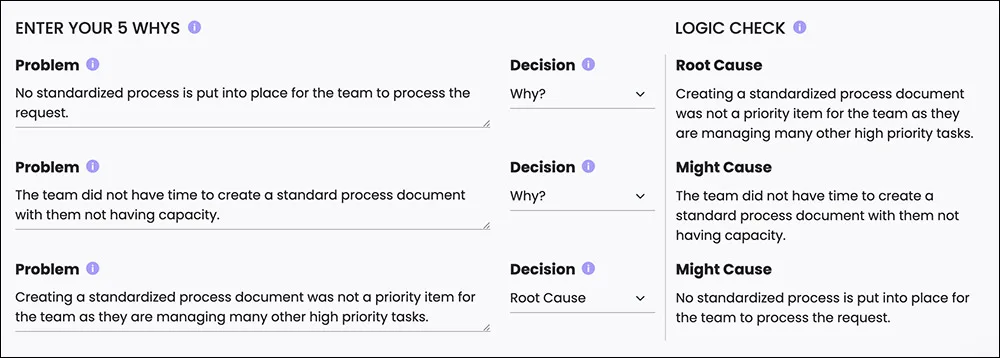
The analysis revealed that project requests often experienced extended waiting periods between review steps. Inconsistent review practices, limited visibility into pending requests, and unclear ownership of certain activities created bottlenecks that slowed progress. As the backlog grew, stakeholders experienced longer wait times before projects could be evaluated and approved, further increasing the volume of requests in the queue.
These challenges made it difficult to maintain a predictable flow of work and reduced the organization’s ability to quickly respond to new priorities and improvement opportunities.
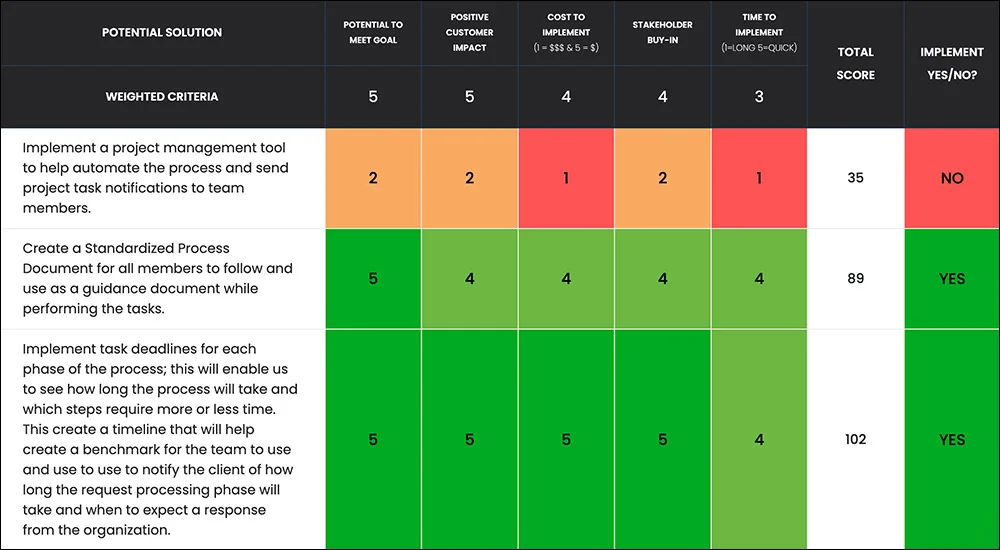
Using GLSS Lean Six Sigma methods, the team developed and implemented targeted solutions to streamline the project initiation process. Efforts focused on simplifying workflow steps, improving communication between stakeholders, clarifying review responsibilities, and creating more consistent procedures for evaluating incoming requests.
The team also improved visibility into pending project requests, making it easier to identify priorities and manage workload across the review process. By reducing unnecessary waiting and establishing a more structured approach to request management, projects were able to move through the approval process more efficiently.
Throughout implementation, the team applied the principles of Ethical EfficiencyâĒ, ensuring that improvements balanced operational performance with the needs of employees and stakeholders. Rather than simply increasing speed, the solutions were designed to create a sustainable process that supported collaboration, accountability, and long-term success.
The project delivered measurable improvements for the organization.
Prior to the improvement effort, project initiation requests required an average of 20 days for review and processing. Following implementation of the new process, review time was reduced to 10 days, representing a 50% reduction in cycle time.
In addition to the faster review process, the organization significantly reduced the backlog of requests waiting in the initiation queue. With fewer projects sitting idle and a more efficient review process in place, teams were able to begin important work sooner and maintain better visibility into project priorities.
These improvements increased organizational responsiveness, improved workflow management, and created a stronger foundation for future project execution.
Before Improvement:
- Average request review time: 20 days
- Growing backlog of project initiation requests
After Improvement:
- Average request review time: 10 days
- Significant reduction in backlog volume
Improvement Achieved:
- 50% reduction in request review time
with GLSS
By combining GLSS Lean Six Sigma Training & Certification with a real-world improvement project, the organization successfully transformed an important operational process while developing internal improvement capability. Led by SaranegaJaana, the project demonstrates how organizations can achieve meaningful results by applying structured problem-solving methods to everyday challenges.
GLSSâs innovative instructional design and project-based learning approach enabled the team to move quickly from learning concepts to delivering measurable outcomes. Rather than spending months studying theory, participants applied tools directly to a business problem and generated results that created immediate value.
The project also reinforced the importance of Ethical EfficiencyâĒ, ensuring that improvements benefited both organizational performance and the people responsible for executing the work. With a faster review process, reduced backlog, and stronger improvement culture, the organization is well positioned to accelerate future initiatives and continue delivering exceptional service.
*We value our clients’ confidentiality. While the company name may be anonymous, the results are real.