



Technology Organization Reduced UAT Defect Cycle Time By 67% With GLSS
Home » Case Study » Technology Organization Reduced UAT Defect Cycle Time By 67% With GLSS
Colorado
Technology
Operations
67%
- The problem: A professional services / technology organization faced lengthy User Acceptance Testing (UAT) defect resolution times, where inconsistent reporting, unclear priorities, and unnecessary rework delayed software testing and slowed technology implementations.
- The Results: With GLSS Lean Six Sigma Green Belt Training & Certification, the organization reduced median UAT defect cycle time from 9 days to 3 days, a 67% improvement, helping teams resolve software issues faster and improve testing efficiency.
Reliable technology is essential for professional services organizations that depend on efficient systems to support their employees and clients. When software testing delays began affecting productivity, one organization recognized an opportunity to improve how its teams identified, managed, and resolved defects.
To address the challenge, the organization turned to GLSS’s Lean Six Sigma Green Belt Training & Certification, gaining practical tools to identify root causes, streamline workflows, and achieve measurable results.
The project also embraced GLSS’s Ethical Efficiency™, approach, focusing on improving performance while reducing unnecessary work, strengthening collaboration, and supporting employees throughout the improvement process.
Before new software systems can be implemented, they must undergo User Acceptance Testing (UAT) to ensure they function correctly and meet business requirements.
For this professional services organization, resolving defects identified during testing took a median of 9 days. These extended cycle times slowed project progress, created backlogs, and left developers, testers, and business teams waiting for updates.
Delays also increased the risk of missed implementation deadlines and additional project costs. Improving the defect management process was essential to maintaining reliable technology operations, supporting employee productivity, and delivering high-quality services to clients.
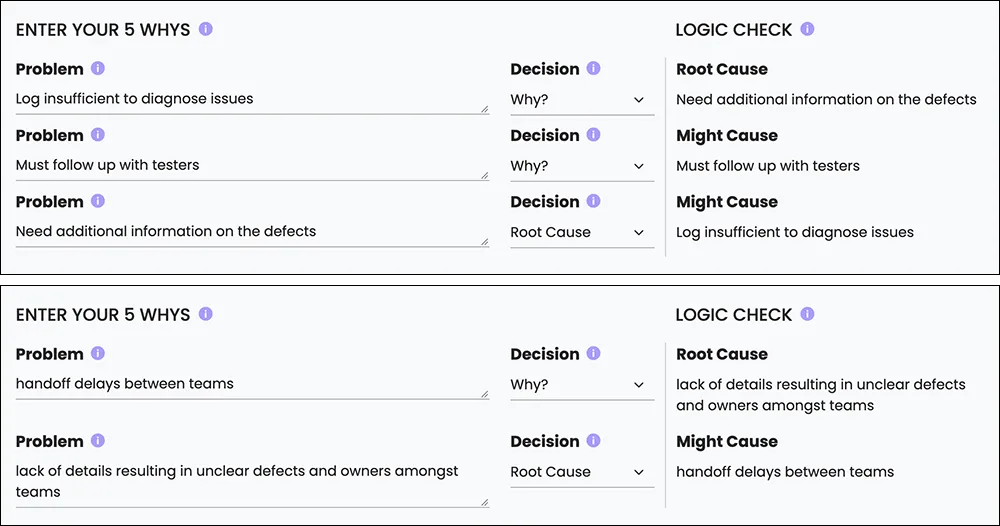
Using the structured problem-solving methods learned through Lean Six Sigma Green Belt Training, the improvement team examined the UAT defect resolution process to identify what was causing delays.
Their analysis uncovered several challenges. Defect reports were inconsistent, often missing important details or supporting evidence. Without clear descriptions, developers needed additional clarification before beginning work.
Unclear ownership, competing priorities, and too many simultaneous assignments created further delays. These inefficiencies increased rework, extended waiting times, and made defect resolution less predictable.
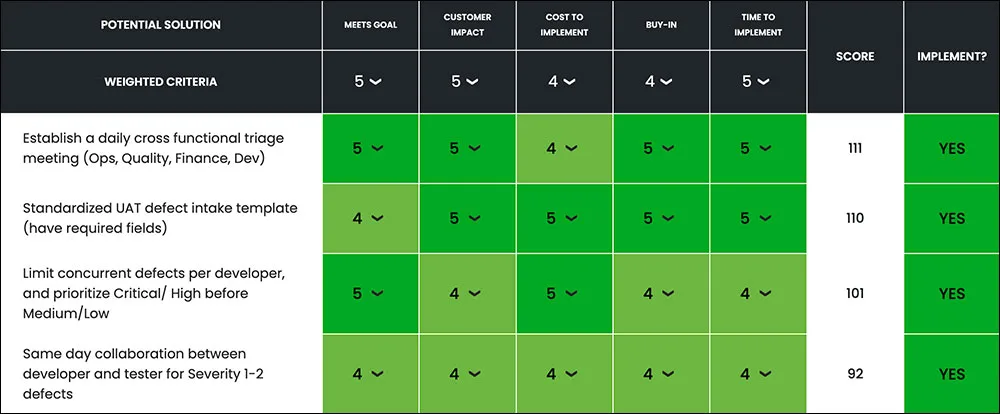
Equipped with practical Lean Six Sigma tools, the team implemented targeted improvements to simplify defect management and accelerate resolution.
A daily cross-functional triage meeting brought together Operations, Quality, Finance, and Development to review new defects, establish priorities, and assign ownership.
The team also introduced a standardized UAT defect intake template, ensuring submissions included clear descriptions and supporting evidence from the start.
To improve workflow, developers limited the number of defects they worked on simultaneously, allowing high-priority issues to receive faster attention. For critical defects, developers and testers collaborated on the same day to clarify requirements and resolve issues more efficiently.
These improvements supported Ethical Efficiency by eliminating unnecessary rework, improving communication, and helping employees focus on meaningful work without compromising software quality.
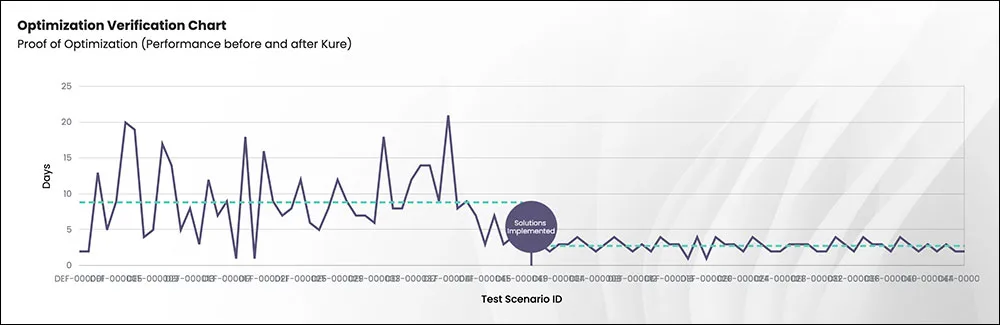
The project delivered a significant improvement in software defect resolution, demonstrating the value of applying Green Belt Training to real-world technology challenges.
Median UAT Defect Cycle Time:
- Before: 9 Days
- After: 3 Days
- Improvement: 67% Reduction
By reducing median defect cycle time by 6 days, the organization accelerated its UAT testing process while improving consistency and collaboration.
Standardized reporting, faster prioritization, and clearer responsibilities helped reduce waiting times, minimize rework, and decrease unresolved defect backlogs.
Beyond the measurable results, the streamlined process created a more productive work environment and greater confidence in future software implementations.
with GLSS
This project demonstrates how Lean Six Sigma Green Belt Training can help professional services organizations overcome technology challenges and achieve measurable process improvements. Through GLSS’s Green Belt Training & Certification, the team identified root causes, implemented practical solutions, and achieved a 67% reduction in median UAT defect cycle time.
GLSS’s innovative instructional design, optimized curriculum, and project-based learning approach help professionals turn knowledge into real-world results faster. By focusing on practical application and measurable outcomes, GLSS makes continuous improvement more accessible and effective.
With a stronger defect management process in place, the organization is better positioned to accelerate future technology implementations, improve employee experiences, and consistently deliver reliable solutions to its clients.
*We value our clients’ confidentiality. While the names may be anonymous, the results are real.