Manufacturer Improved Tool Room Efficiency By 24% With GLSS
Home » Case Study » Manufacturer Improved Tool Room Efficiency By 24% With GLSS
LOCATION
United States
INDUSTRY
Manufacturing
FUNCTION
Operations
IMPROVEMENT
24%
PROJECT SUMMARY
The problem: A manufacturing organization’s tool room required an average of 66.6 maintenance hours, creating an opportunity to improve organization, reduce unnecessary work, and help employees spend more time on productive maintenance activities.
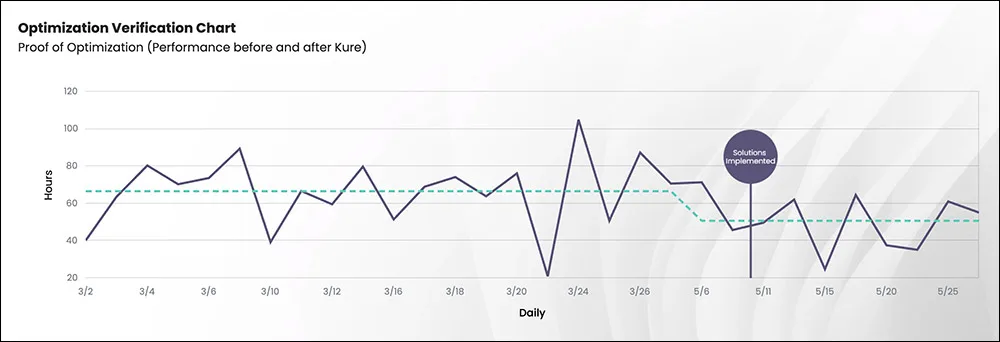
The Results: With GLSS, the manufacturer reduced average maintenance hours from 66.6 to 50.8—a 24% improvement that created a more efficient and organized tool room.
INTRODUCTION
In manufacturing, efficient maintenance helps keep equipment available, production moving, and employees focused on the work that delivers the most value. When a manufacturer identified opportunities to improve its tool room, the organization used GLSS’s Lean Six Sigma Green Belt Training & Certification to turn the challenge into a measurable improvement project.
GLSS provided a practical framework for understanding how maintenance time was being used, identifying unnecessary activities, and developing solutions that could make everyday work easier. The project also reflected GLSS’s approach to Ethical Efficiency™—improving performance while considering the people doing the work. Rather than simply asking employees to work faster, the focus was on creating a better environment that reduced wasted time and made maintenance activities easier to complete.
THE PROBLEM
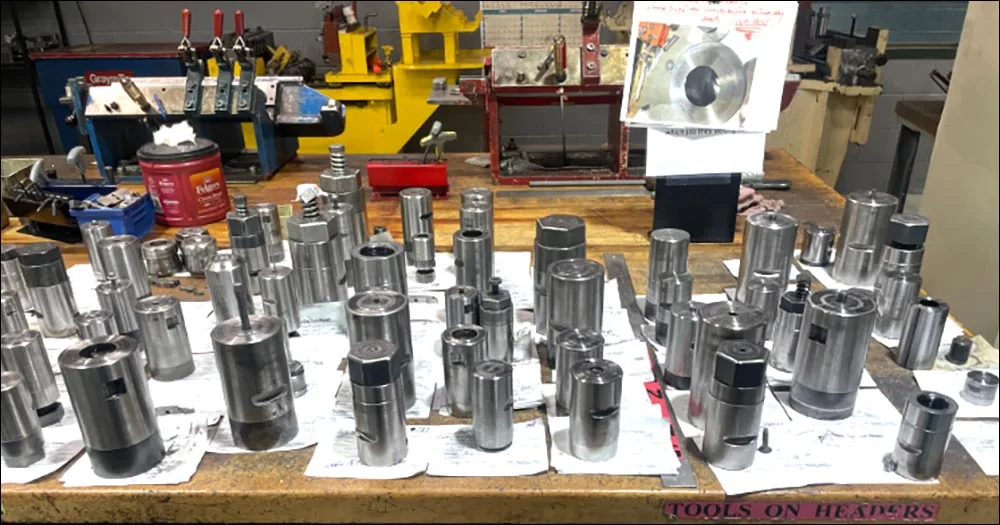
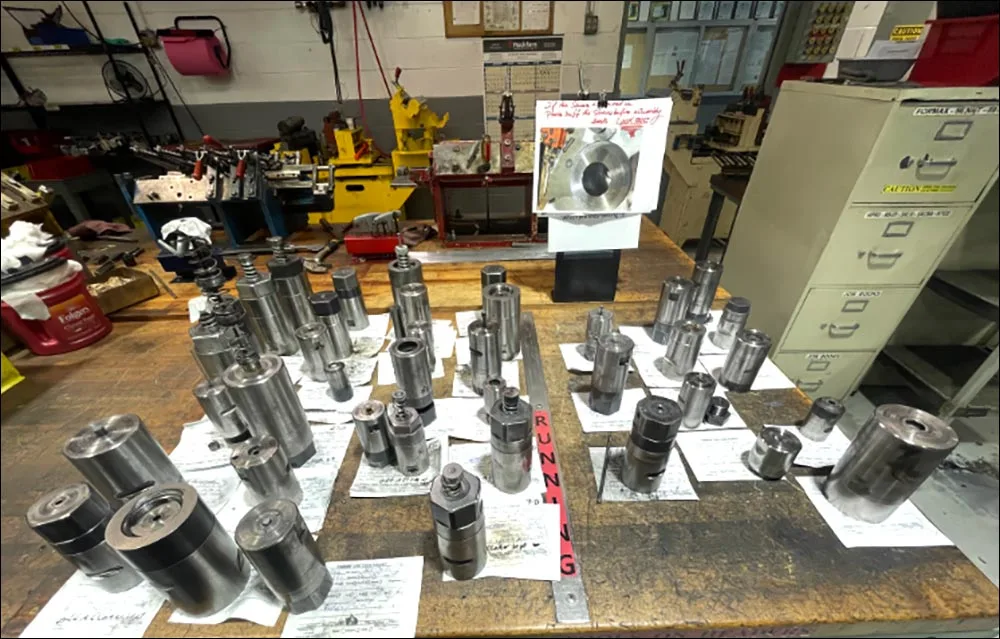
Before the project, maintenance activities associated with the tool room required an average of 66.6 hours. Time spent dealing with inefficient organization and other unnecessary activities reduced the amount of time employees could dedicate to productive maintenance work.
For a manufacturing organization that depends on reliable equipment and consistent production, these inefficiencies can have an impact beyond the tool room. Maintenance teams need quick access to the right tools and resources to address equipment needs and support day-to-day manufacturing operations.
Improving the process was therefore about more than reducing hours. It was an opportunity to create a workplace that better supported employees while helping the manufacturer use its maintenance resources more effectively.
Before
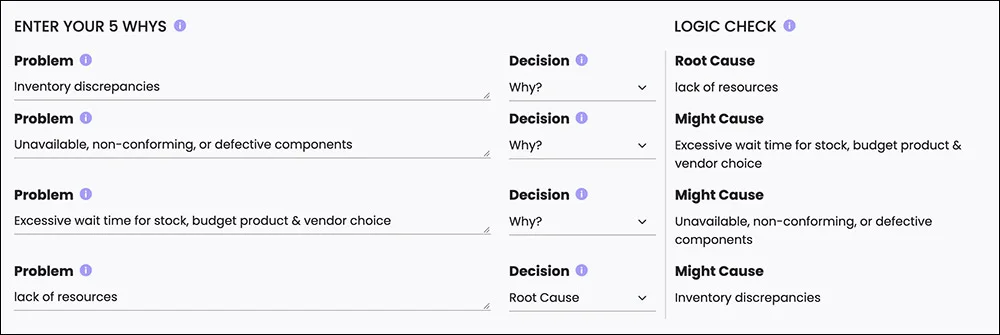
THE ROOT CAUSES
The project focused on improving tool room efficiency and reducing the maintenance hours required to support manufacturing operations.
The team worked to better understand how the tool room operated, identify activities that consumed unnecessary time, and develop practical improvements that could make maintenance work more efficient.
The goal was to create a simpler, more organized process that would allow employees to spend less time navigating inefficiencies and more time completing valuable maintenance work that supported production.
Using the problem-solving approach learned through GLSS, the team examined the existing tool room process and identified opportunities to eliminate wasted time and improve how work was completed.
Instead of treating the number of maintenance hours as the problem itself, the project focused on the processes contributing to those hours. This allowed the team to address underlying inefficiencies and make practical improvements that supported both employees and the organization.
This approach reinforced Ethical Efficiency by balancing measurable operational results with a better experience for the people responsible for maintaining equipment and helping keep manufacturing operations running smoothly.
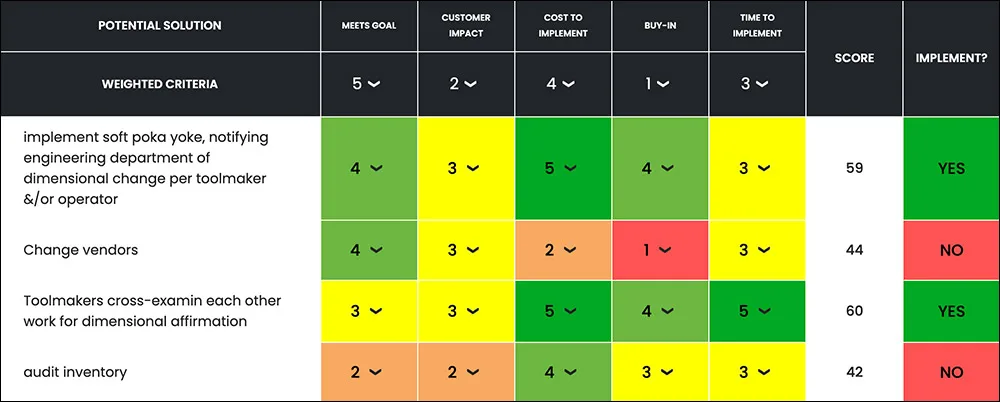
To automate the creation of the Solution Selection Matrix, try Kure.
THE RESULTS
The improvements produced a meaningful reduction in maintenance hours:
Before: 66.6 average maintenance hours
After: 50.8 average maintenance hours
Reduction: 15.8 hours
Improvement: 24%
Reducing average maintenance hours by nearly one-quarter allowed the manufacturer to use its resources more efficiently while creating a more streamlined tool room environment.
The results also demonstrated how a focused process improvement project can create measurable benefits for manufacturing operations without requiring employees to simply work harder or faster.
To automate the creation of the Verification Chart, try Kure.
Start improving with GLSS
By applying GLSS Training & Certification, the manufacturing organization transformed a tool room challenge into a measurable 24% improvement, reducing average maintenance hours from 66.6 to 50.8 hours.
GLSS’s innovative instructional design makes Lean Six Sigma practical, approachable, and easier to apply to real workplace challenges—helping learners move from training to measurable results more quickly. For this manufacturer, that meant identifying opportunities to reduce wasted effort while creating a process that better supported the maintenance team and broader production operations.
The project also demonstrates Ethical Efficiency in action: improving organizational performance while making work more efficient for the people doing it. With a more effective tool room process in place, the manufacturer is better positioned to build on these results, identify additional improvement opportunities, and continue strengthening its manufacturing performance.
After
*We value our clients’ confidentiality. While the names may be anonymous, the results are real.
Start a free trial and get access to all GLSS courses (Yellow Belt, Green Belt, Black Belt, and more!) for only $499/year with a GLSS Subscription!