Energy Manufacturer Reduced Banding Operation Cycle Time By 39% With GLSS
Home » Case Study » Energy Manufacturer Reduced Banding Operation Cycle Time By 39% With GLSS
LOCATION
Illinois
INDUSTRY
Manufacturing
FUNCTION
Operations
IMPROVEMENT
39%
PROJECT SUMMARY
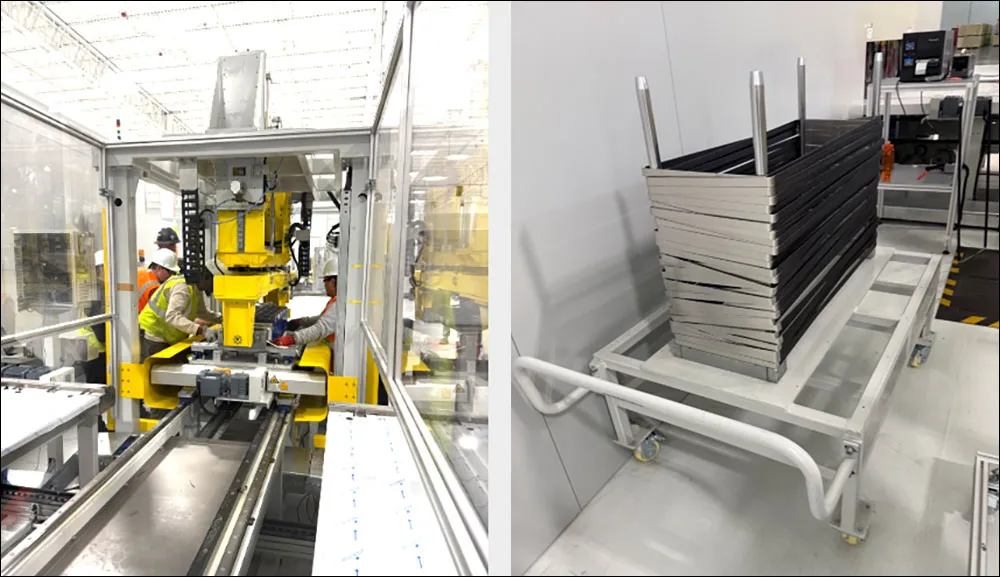
The problem: An energy manufacturer’s banding operation had become a production bottleneck, with an average cycle time of 188 seconds that exceeded takt time and prevented the line from consistently maintaining its desired production pace.
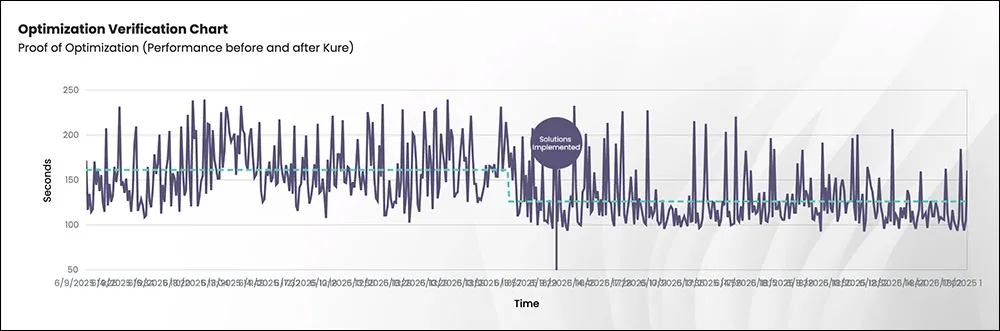
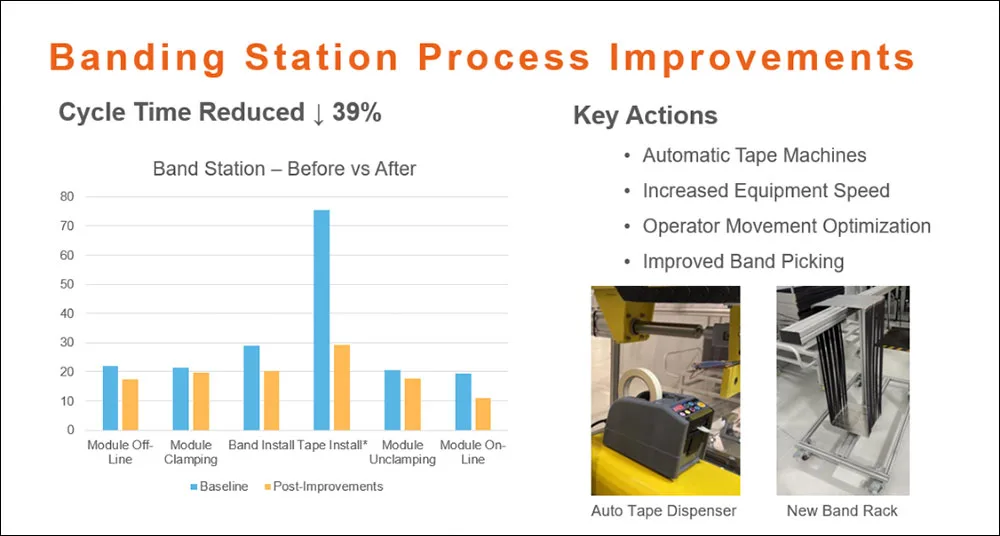
With GLSS, the project reduced average banding cycle time from 188 seconds to 115 seconds, a 39% improvement, helping work move through production faster and more consistently.
INTRODUCTION
In a fast-moving manufacturing environment, every production step needs to work together to meet customer demand. When an energy manufacturer identified its banding operation as an opportunity for improvement, the organization turned to GLSS’s Lean Six Sigma Green Belt Training & Certification to give its team a practical, structured approach for finding the causes of delays and implementing solutions that could deliver measurable results.
The improvement team applied GLSS methods while incorporating Ethical Efficiency™, pursuing greater productivity while making responsible use of equipment, employee time, and existing resources.
THE PROBLEM
The banding station had become the slowest point in the production process. Its average cycle time of 188 seconds exceeded takt time, which meant the station could not consistently keep pace with production needs.
This bottleneck affected more than one workstation. Delays could carry into downstream operations, disrupt production flow, increase operating costs, and make it more difficult to reliably meet customer delivery expectations.
For the manufacturer, process improvement was critical because strong manufacturing performance depends on maintaining a steady, predictable flow. Improving the banding operation offered an opportunity to increase capacity without simply adding more equipment or labor.
Before
THE ROOT CAUSES
The improvement team studied the banding process to understand what was slowing it down and identified two primary root causes.
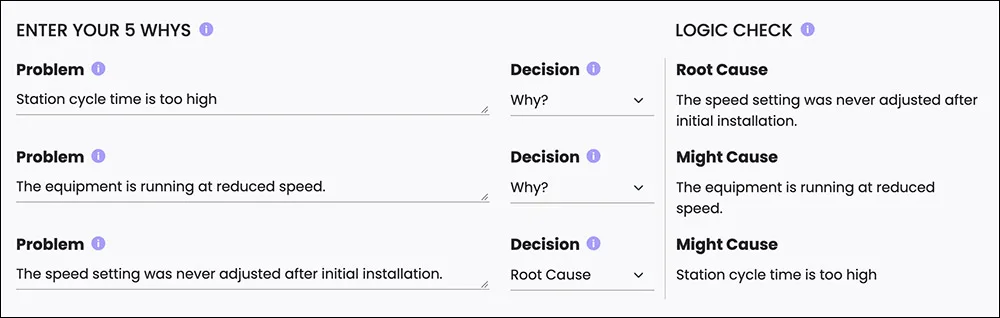
First, operators lacked clearly defined and optimized standard work for applying tape. This resulted in different methods being used and created unnecessary variation in cycle times.
Second, the equipment had remained at its original setting of only 50% of its available speed. The machine speed had never been optimized after installation, leaving significant capacity unused.
Together, these issues created unnecessary manual effort, waiting, and inconsistent performance.
Using the improvement techniques learned through GLSS Training & Certification, the team introduced several targeted changes.
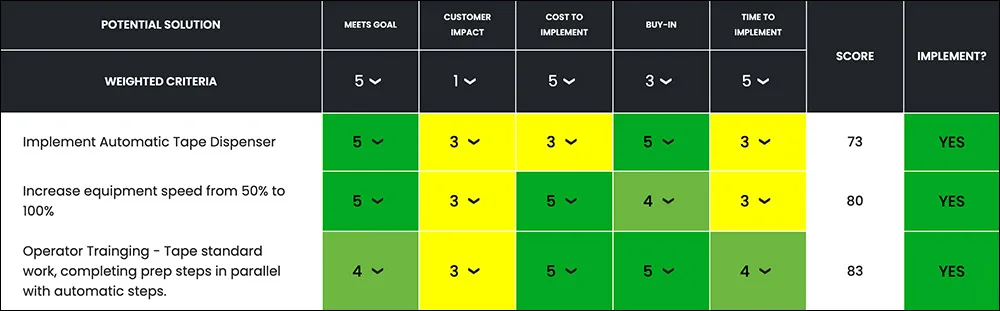
An automatic tape dispenser was installed to simplify tape application and reduce manual work. After verifying that the equipment could operate safely and reliably at a higher setting, its speed was increased from 50% to 100%.
The team also established standardized tape application procedures and trained operators on the improved process. Preparation activities were reorganized so employees could complete certain manual tasks while the automatic equipment was running, allowing work to happen in parallel instead of sequentially.
These solutions reflected Ethical Efficiency by improving productivity while reducing unnecessary motion, waiting, and effort and making better use of resources already available to the organization.
To automate the creation of the Solution Selection Matrix, try Kure.
THE RESULTS
The improved process produced a substantial reduction in cycle time:
Before: 188 seconds average cycle time
After: 115 seconds average cycle time
Reduction: 73 seconds
Percentage Improvement: 39%
The new process operates at approximately 61% of the original cycle time, representing a 39% reduction.
The improvements reduced the production bottleneck, created a more consistent workflow, and helped the banding operation better support the pace of the overall production line. By maximizing existing equipment before considering additional resources, the manufacturer also demonstrated how operational improvement and responsible resource use can work together.
To automate the creation of the Verification Chart, try Kure.
Start improving with GLSS
The energy manufacturer’s banding operation project shows how focused process improvement can unlock meaningful capacity from an existing production system. The team combined equipment optimization, automation, standardized work, and smarter task sequencing to reduce cycle time by 39%.
GLSS Training & Certification’s innovative instructional design and practical, easy-to-apply content help learners move quickly from understanding improvement concepts to using them to generate real-world results. In this project, that approach helped the manufacturer identify root causes, make responsible use of existing resources, and achieve measurable improvements without unnecessary complexity.
The successful project provides the organization with more than a faster banding operation. It demonstrates a repeatable approach to Ethical Efficiency that can help reduce waste, strengthen productivity, support employees, and drive continued improvement as future manufacturing needs evolve.
*We value our clients’ confidentiality. While the names may be anonymous, the results are real.
Start a free trial and get access to all GLSS courses (Yellow Belt, Green Belt, Black Belt, and more!) for only $499/year with a GLSS Subscription!